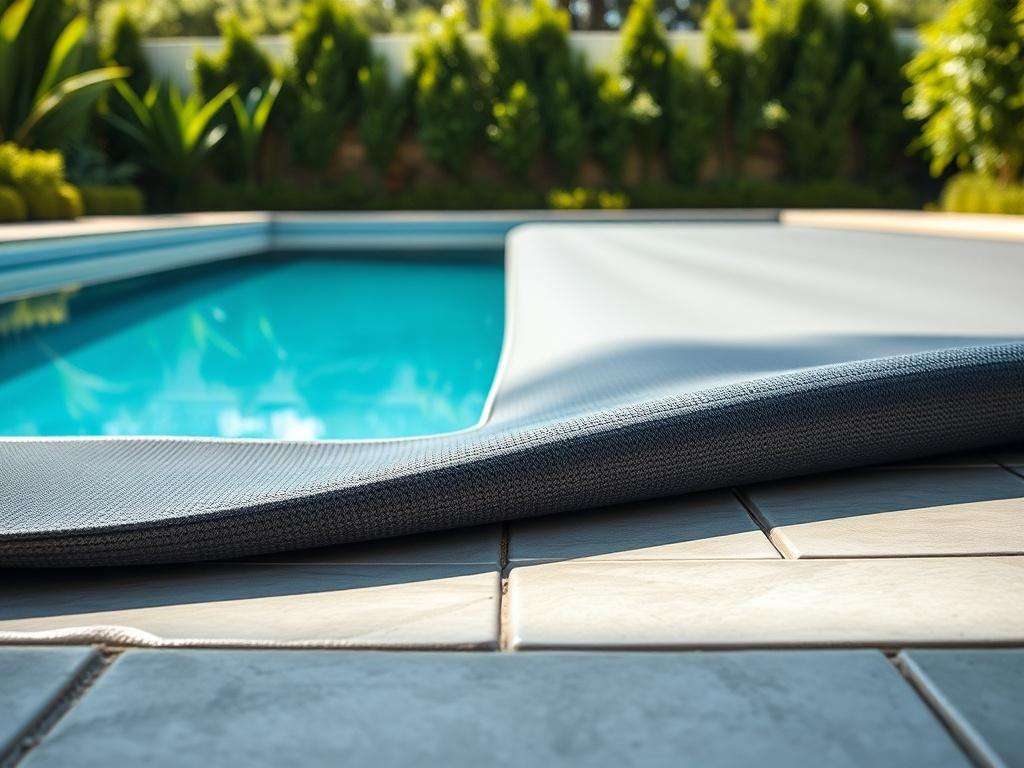
If you own a pool in Rhode Island, you've probably heard the term safety cover thrown around a lot. But not every cover marketed as safe actually meets the standards needed to protect your family. Understanding what sets a true safety cover apart from a standard one can help you make a smarter decision for your pool and peace of mind. Here's what you need to know before you buy.
What Is a Safety Pool Cover?
A safety pool cover is designed to do more than keep debris out of your water. It's built to support weight, resist punctures, and prevent accidental falls into the pool when it's not in use. Unlike a basic leaf cover or solar blanket, a true safety cover is engineered with specific materials and anchoring systems that meet recognized safety standards.
The ASTM Standard Every Safety Cover Should Meet
In the United States, safety pool covers are held to a standard set by ASTM International, specifically ASTM F1346. This standard requires that a cover support the weight of two adults and a child without submerging, allowing enough time for a rescue if someone accidentally walks onto it. Any cover claiming to be a safety cover should meet this standard. If a company can't confirm that their covers are ASTM-certified, that's a red flag worth taking seriously.
Key Features That Make a Cover Truly Safe
Not all covers labeled as safety covers offer the same level of protection. A few features separate a genuinely safe cover from one that just looks the part.
- Reinforced straps and anchors that keep the cover taut and secure
- Weather-resistant fabric built to handle New England winters
- Proper installation that eliminates gaps around the pool's edge
- Materials rated to prevent water pooling that could create a drowning hazard
Why Installation Matters as Much as the Cover Itself
Even a high-quality safety cover won't perform as intended if it's installed incorrectly. Gaps, loose anchors, or improperly measured covers can create dangerous weak points. This is why working with an experienced installer matters just as much as choosing the right product. A cover is only as safe as the job done to fit it to your specific pool.
Common Misconceptions About Pool Safety Covers
Many homeowners assume any thick or heavy cover automatically qualifies as a safety cover. In reality, weight and durability alone don't guarantee protection if the cover isn't rated to support a person's weight or properly anchored. Others believe safety covers are only necessary for pools with young children in the home, but unsupervised access is a risk in any neighborhood. A true safety cover benefits every household, regardless of who lives there.
How Rhode Island's Climate Affects Cover Performance
Rhode Island winters bring heavy snow, ice, and freeze-thaw cycles that put extra strain on pool covers. A cover that isn't built for this kind of weather can weaken over time, developing tears or sagging that compromises its safety rating. Choosing a cover specifically designed to withstand the Northeast climate helps ensure it performs as it should when you need it most. Regular inspection throughout the winter months is also a smart habit for any pool owner.
Signs Your Current Cover May Not Be Safe
If your existing cover is showing wear, has loose straps, or was installed years ago without a proper fit check, it may not offer the protection you think it does. Cracked seams, stretched fabric, and rusted anchors are all signs it's time for a replacement or repair. A cover that pools water on top instead of shedding it is another warning sign. When in doubt, it's worth having a professional take a look.
Ready to Protect Your Pool the Right Way?
Choosing the right safety cover isn't something to leave to guesswork. Our team at Absolutely Covered is here to help you find, fit, and maintain a cover that truly protects your family and your investment. Reach out to us today to schedule a free estimate and see the difference a properly installed safety cover can make.